





Dr. Humaira Awais Shahid
Scroll down
Dr. Humaira Awais Shahid
Scroll down
Biography & personal Life
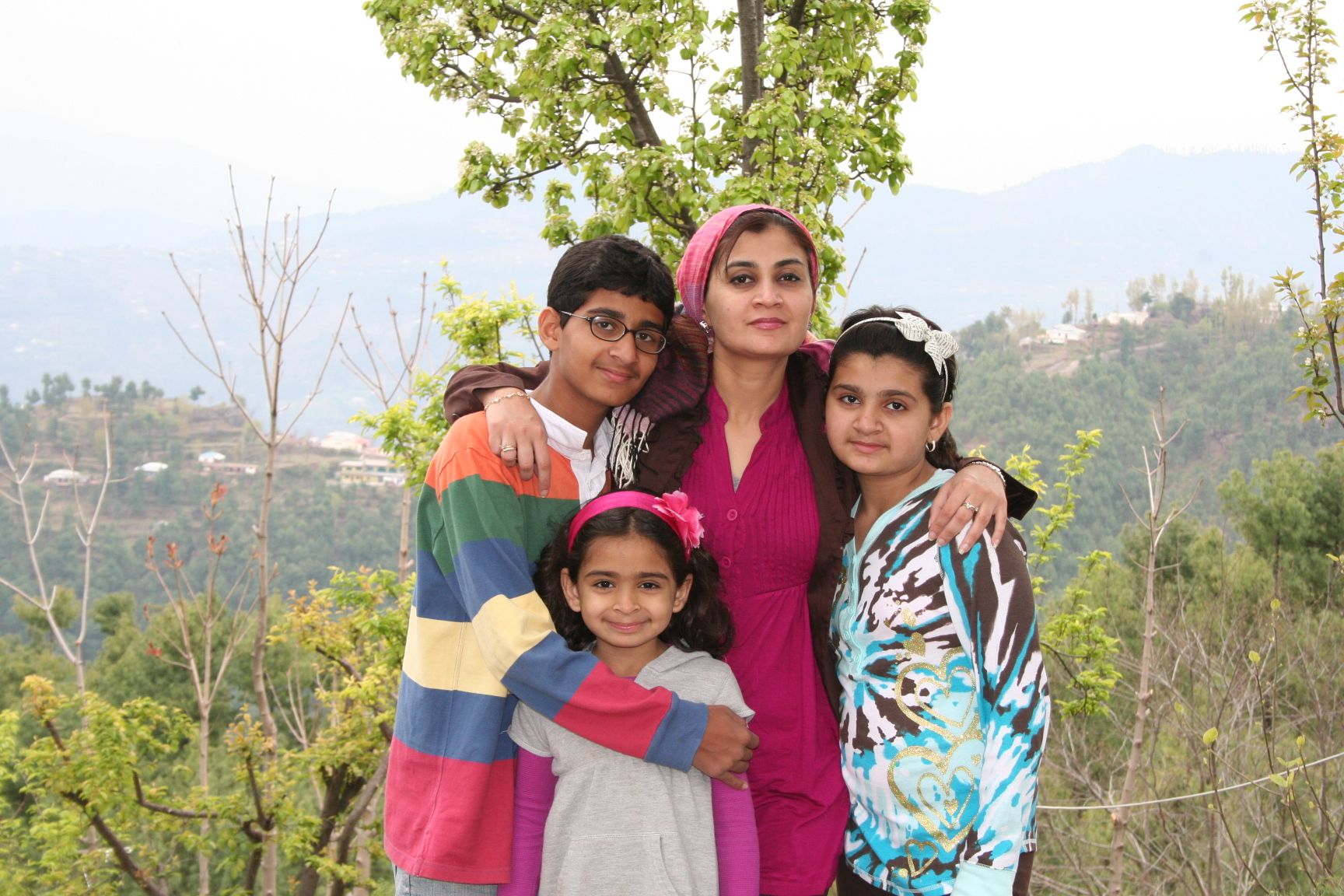
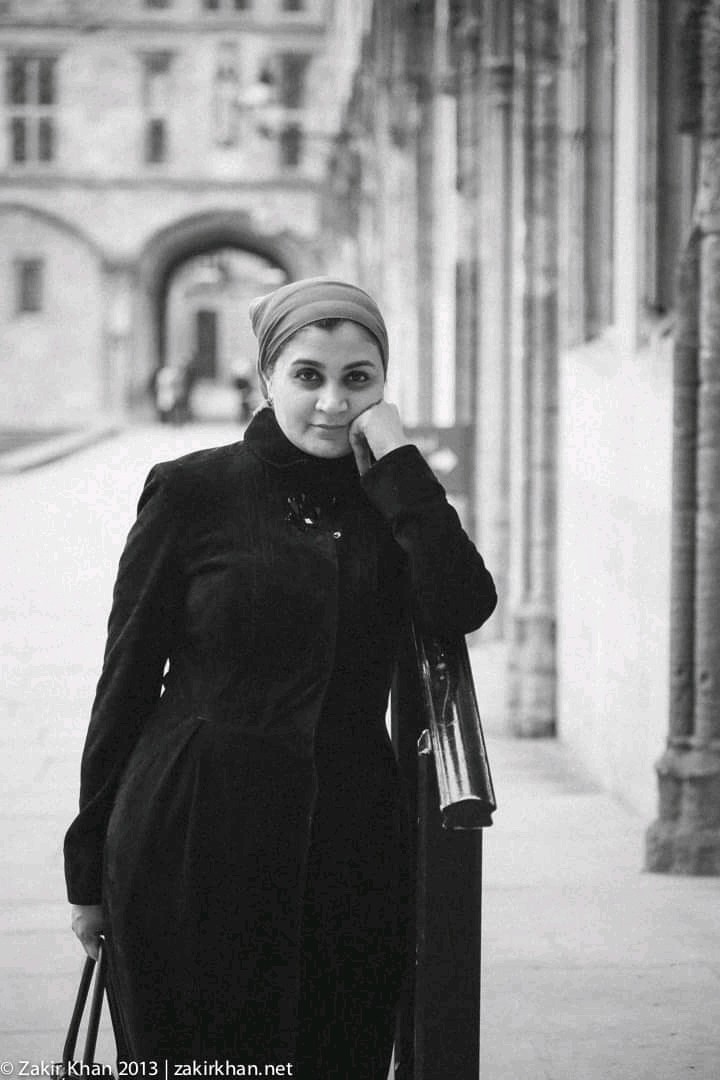
Dr. Humaira Awais Shahid is a scholar, lawmaker, journalist, and media strategist, and a two-term Provincial legislator in the Punjab Assembly of Pakistan. Born and raised in Kuwait, she balanced public service and media leadership while raising three children. She holds an M.Phil. in English Literature, a Harvard Fellow and an Honorary Doctorate in Humane letters. She works at the intersection of social justice, women’s rights, media policy, foreign relations, and Islamic economic models. Her current work focuses on women’s leadership, character development, and social entrepreneurship, alongside her forthcoming book, Reclaiming Spirituality and Sexuality. She now resides in Ankara, Turkiye where she teaches and consults politicians and parliamentarians on socioeconomic matters.
Biography & personal Life
Dr. Humaira Awais Shahid is a scholar, lawmaker, journalist, and media strategist, and a two-term Provincial legislator in the Punjab Assembly of Pakistan. Born and raised in Kuwait, she balanced public service and media leadership while raising three children. She holds an M.Phil. in English Literature, a Harvard Fellow and an Honorary Doctorate in Humane letters. She works at the intersection of social justice, women’s rights, media policy, foreign relations, and Islamic economic models. Her current work focuses on women’s leadership, character development, and social entrepreneurship, alongside her forthcoming book, Reclaiming Spirituality and Sexuality. She now resides in Ankara, Turkiye where she teaches and consults politicians and parliamentarians on socioeconomic matters.
Lawmaking and Advocacy
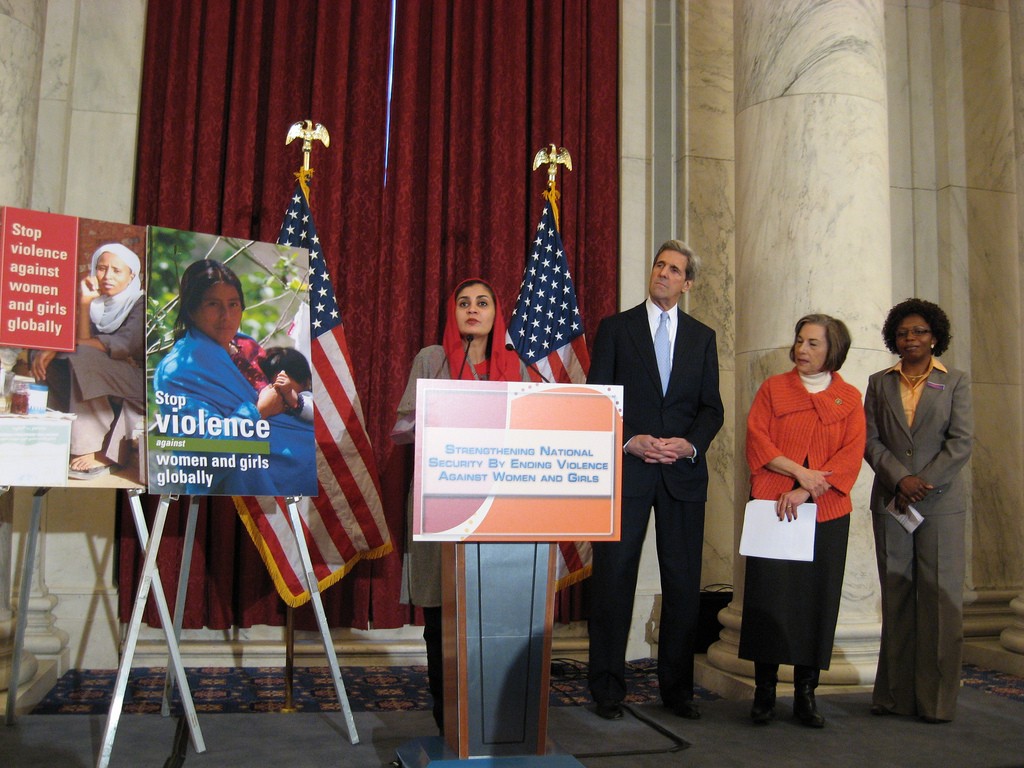
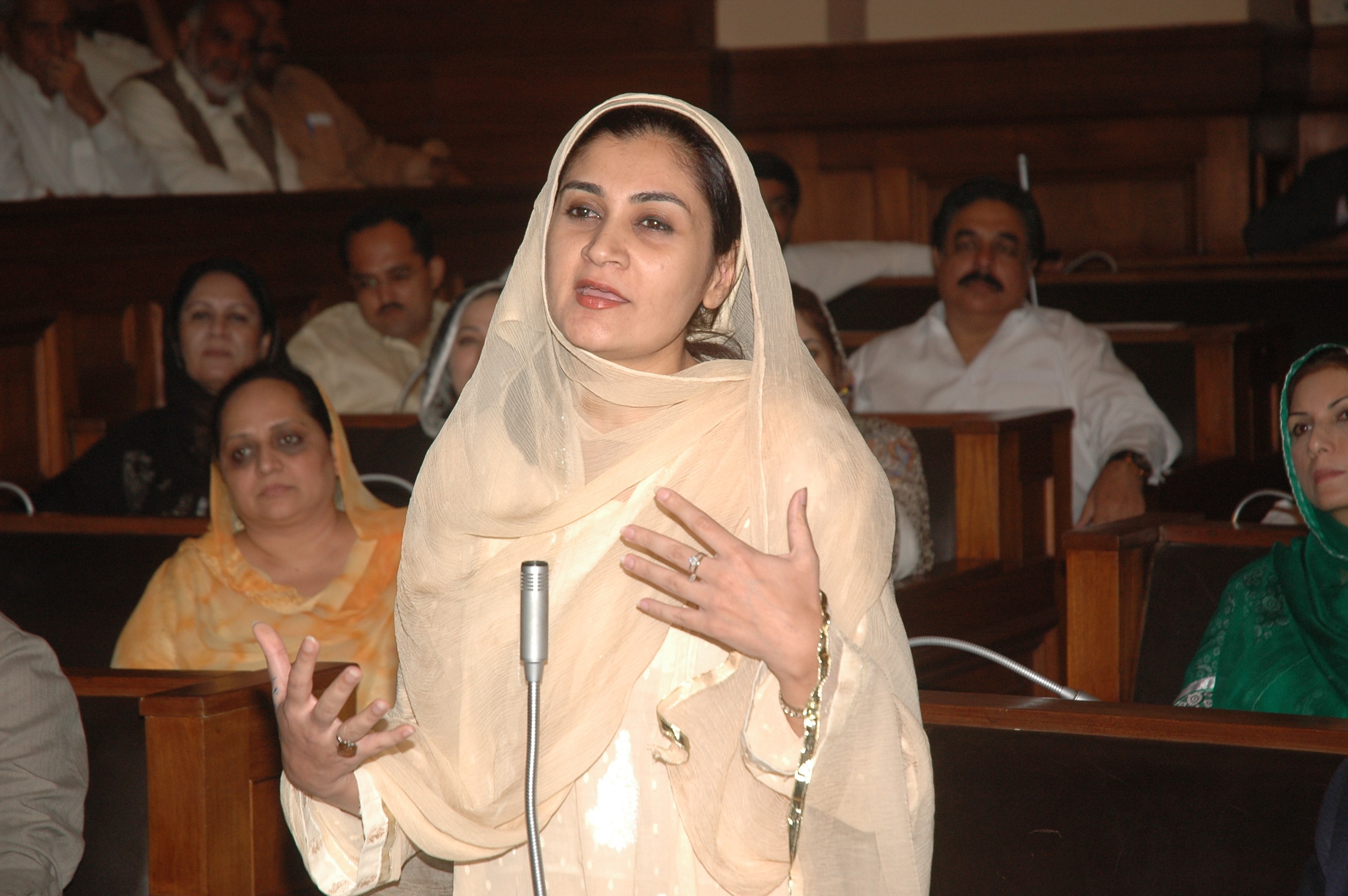
As a parliamentarian, she made history by securing the unanimous passage of the Punjab Private Money Lending Act (2007), the first modern law to prohibit usury and predatory “shark loans,” later replicated across multiple provinces. Her legislative work also included successful resolutions against acid crimes and the bartering of women (vani). Internationally, she was a leading advocate for the International Violence Against Women Act (IVAWA) in the U.S. Congress and Senate. A Radcliffe Fellow at Harvard University, she has written and spoken widely on violence against women, Islam and gender, democracy, media, and economic justice, and is the author of the acclaimed memoir Devotion and Defiance.
Lawmaking and Advocacy
As a parliamentarian, she made history by securing the unanimous passage of the Punjab Private Money Lending Act (2007), the first modern law to prohibit usury and predatory “shark loans,” later replicated across multiple provinces. Her legislative work also included successful resolutions against acid crimes and the bartering of women (vani). Internationally, she was a leading advocate for the International Violence Against Women Act (IVAWA) in the U.S. Congress and Senate. A Radcliffe Fellow at Harvard University, she has written and spoken widely on violence against women, Islam and gender, democracy, media, and economic justice, and is the author of the acclaimed memoir Devotion and Defiance.
Harvard University
At Radcliffe, Dr Humaira explored the subject of violence and women in the sociocultural context of the Muslim world, particularly South Asia. Her analysis focused on the cultural and religious roots of this violence, in which tribal practices and political Islam become tools for violence against women. A complex and contrived relationship between Islamic law and political Islam needs to be defined in order to measure its impact on the subjugation of women. She further explored the evolution of women’s roles in policy and legislative reforms that counter violence against women. She recommended legislative measures that may help curb violence. Shahid became the first parliamentarian of the Provincial Assembly of the Punjab to pass a law (and repeal a former one) as a private member. This achievement took more than four years in parliament, with opposition from government benches, administrative departments, and the cabinet. Her legislation, the Punjab Private Money Lending Act, 2007, prohibited interest-based private money lending in Punjab, Pakistan, and her law was replicated and adopted by the Provincial Assembly of the North-West Frontier Province.
Harvard University
At Radcliffe, Dr Humaira explored the subject of violence and women in the sociocultural context of the Muslim world, particularly South Asia. Her analysis focused on the cultural and religious roots of this violence, in which tribal practices and political Islam become tools for violence against women. A complex and contrived relationship between Islamic law and political Islam needs to be defined in order to measure its impact on the subjugation of women. She further explored the evolution of women’s roles in policy and legislative reforms that counter violence against women. She recommended legislative measures that may help curb violence. Shahid became the first parliamentarian of the Provincial Assembly of the Punjab to pass a law (and repeal a former one) as a private member. This achievement took more than four years in parliament, with opposition from government benches, administrative departments, and the cabinet. Her legislation, the Punjab Private Money Lending Act, 2007, prohibited interest-based private money lending in Punjab, Pakistan, and her law was replicated and adopted by the Provincial Assembly of the North-West Frontier Province.
Journalism and Media Strategy
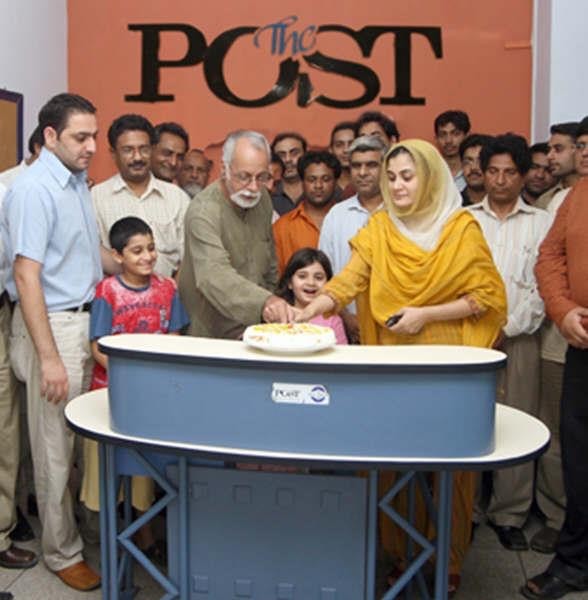
With extensive experience in journalism and media leadership, Dr. Shahid has served as editor and director within one of Pakistan’s largest media groups, shaping editorial policy, media strategy, and public narratives. Dr. Humaira’s decade-long journalistic career is shaped by a strategic mandate to hold leaders accountable. As a board member and Director of the Khabrain Media Group, she executed a complete overhaul of the "Women’s Pages," replacing superficial lifestyle content with in-depth journalistic investigations into systemic violence and economic exploitation. Her leadership expanded with the launch of The Post, an English-language daily where she served as Editor and Project Head. By commissioning long-form analysis on digital ethics and constitutional reform, she utilized media as a strategic instrument for national discourse, bridging the gap between the rural disenfranchised and the urban policy-making elite.
Journalism and Media Strategy
With extensive experience in journalism and media leadership, Dr. Shahid has served as editor and director within one of Pakistan’s largest media groups, shaping editorial policy, media strategy, and public narratives. Dr. Humaira’s decade-long journalistic career is shaped by a strategic mandate to hold leaders accountable. As a board member and Director of the Khabrain Media Group, she executed a complete overhaul of the "Women’s Pages," replacing superficial lifestyle content with in-depth journalistic investigations into systemic violence and economic exploitation. Her leadership expanded with the launch of The Post, an English-language daily where she served as Editor and Project Head. By commissioning long-form analysis on digital ethics and constitutional reform, she utilized media as a strategic instrument for national discourse, bridging the gap between the rural disenfranchised and the urban policy-making elite.
Marriage
In December 2012, Dr. Humaira Shahid married Shaykh Umar Ibrahim Vadillo, joining not only in life but in a shared spiritual and life mission.Shaykh Umar is a prominent Spanish Sufi shaykh and Islamic thinker, author, and advocate of ethical and sacred economic systems, best known for his work on the revival of the Islamic gold dinar and his critique of modern fiat-based financial structures. Their partnership is rooted in a common devotion to the restoration of sacred meaning in personal, social, and economic life through the principles of Islam and Tasawwuf. Together, they work at the intersection of spirituality, social justice, and economic reform—challenging modern materialist narratives and offering a vision grounded in remembrance, dignity, and divine order. Their union reflects a lived commitment to embodying faith as a transformative force, where love, knowledge, and service become a single path toward the healing of the individual and the world.
Marriage
In December 2012, Dr. Humaira Shahid married Shaykh Umar Ibrahim Vadillo, joining not only in life but in a shared spiritual and life mission.Shaykh Umar is a prominent Spanish Sufi shaykh and Islamic thinker, author, and advocate of ethical and sacred economic systems, best known for his work on the revival of the Islamic gold dinar and his critique of modern fiat-based financial structures. Their partnership is rooted in a common devotion to the restoration of sacred meaning in personal, social, and economic life through the principles of Islam and Tasawwuf. Together, they work at the intersection of spirituality, social justice, and economic reform—challenging modern materialist narratives and offering a vision grounded in remembrance, dignity, and divine order. Their union reflects a lived commitment to embodying faith as a transformative force, where love, knowledge, and service become a single path toward the healing of the individual and the world.
Riba Petition
Dr. Humaira Shahid is a leading advocate in the historic Riba Petition before Pakistan's Federal Shariat Court, where she champions a total shift toward the "mu'amalaat" system—the authentic Islamic framework for ethical trade and civic dealings. Her work argues that interest is fundamentally built into modern paper money, which she identifies as an unstable exchange of debt. To achieve true economic justice, she proposes a return to real-wealth standards like the Gold Dinar and Silver Dirham to ensure that money represents actual value. By moving away from conventional debt-based banking and toward ethical marketplaces and genuine profit-sharing, Dr. Shahid offers a structural alternative that aligns financial practice with the true spirit of justice and tangible growth.
Riba Petition
Dr. Humaira Shahid is a leading advocate in the historic Riba Petition before Pakistan's Federal Shariat Court, where she champions a total shift toward the "mu'amalaat" system—the authentic Islamic framework for ethical trade and civic dealings. Her work argues that interest is fundamentally built into modern paper money, which she identifies as an unstable exchange of debt. To achieve true economic justice, she proposes a return to real-wealth standards like the Gold Dinar and Silver Dirham to ensure that money represents actual value. By moving away from conventional debt-based banking and toward ethical marketplaces and genuine profit-sharing, Dr. Shahid offers a structural alternative that aligns financial practice with the true spirit of justice and tangible growth.
China-Pakistan Economic Coridor
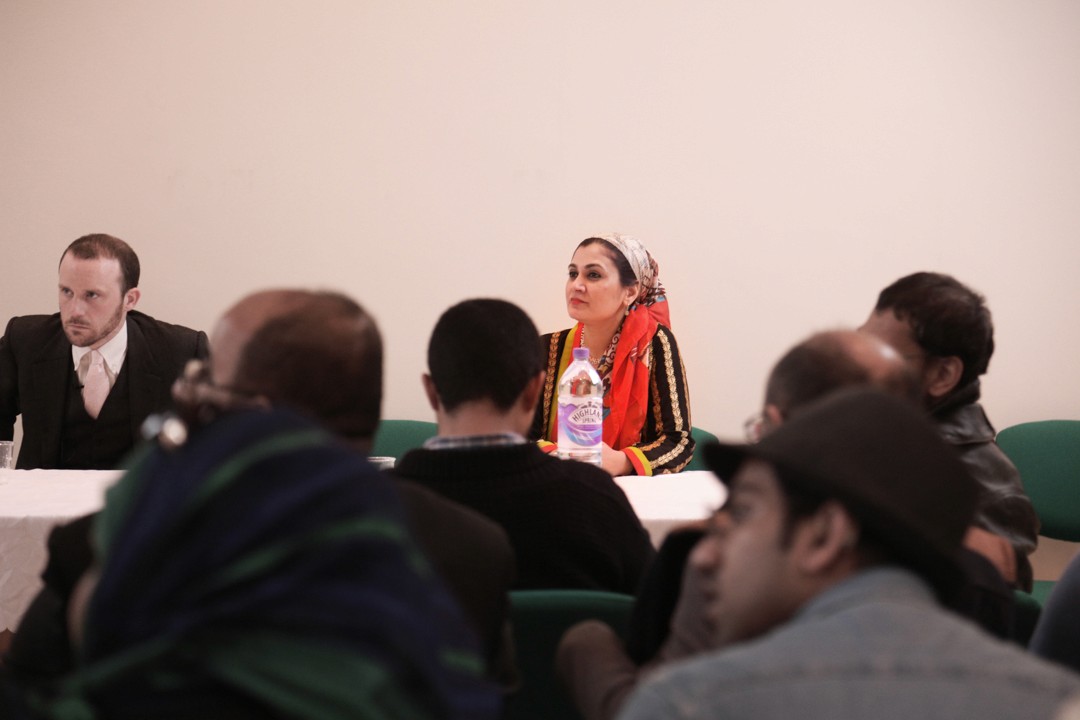
She has led major image-building and counter-disinformation initiatives related to China–Pakistan relations and has consulted in Europe on women’s empowerment, social economy, and emerging technologies. Beyond traditional news management, Dr Humaira has emerged as a premier media strategist specializing in Eurasian geopolitics. She has led groundbreaking research on the Belt and Road Initiative (BRI), advocating for self-sustainable "BRI Cities" and reviving the Caravanserai as an archetype for a new social economy. Her work with the Chinese Embassy in Pakistan was instrumental in countering misinformation and building cultural bridges, resulting in a significant shift in mainstream media opinion regarding the China-Pakistan Economic Corridor (CPEC).
China-Pakistan Economic Coridor
She has led major image-building and counter-disinformation initiatives related to China–Pakistan relations and has consulted in Europe on women’s empowerment, social economy, and emerging technologies. Beyond traditional news management, Dr Humaira has emerged as a premier media strategist specializing in Eurasian geopolitics. She has led groundbreaking research on the Belt and Road Initiative (BRI), advocating for self-sustainable "BRI Cities" and reviving the Caravanserai as an archetype for a new social economy. Her work with the Chinese Embassy in Pakistan was instrumental in countering misinformation and building cultural bridges, resulting in a significant shift in mainstream media opinion regarding the China-Pakistan Economic Corridor (CPEC).
Public Speaking and Institutional Lectures
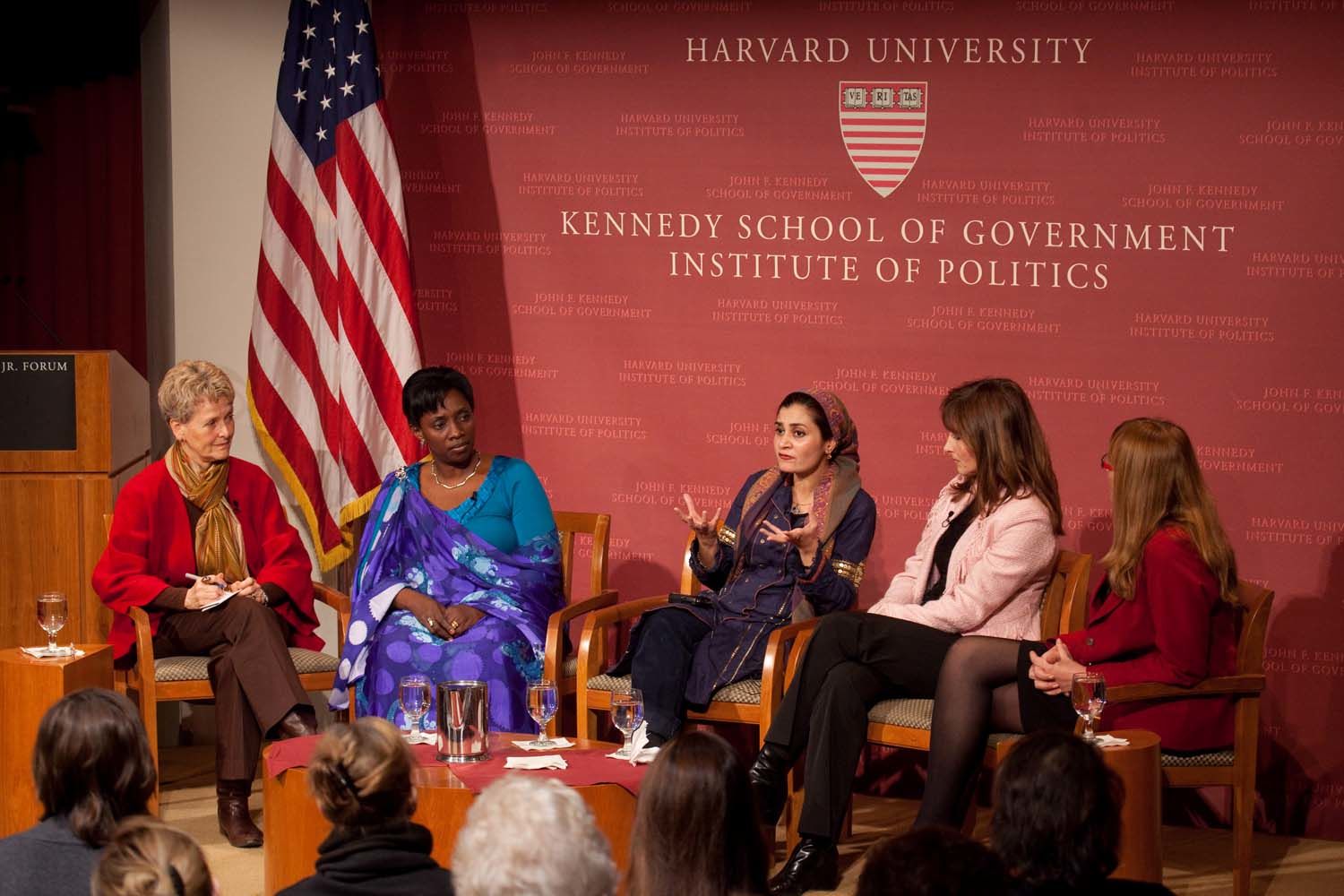
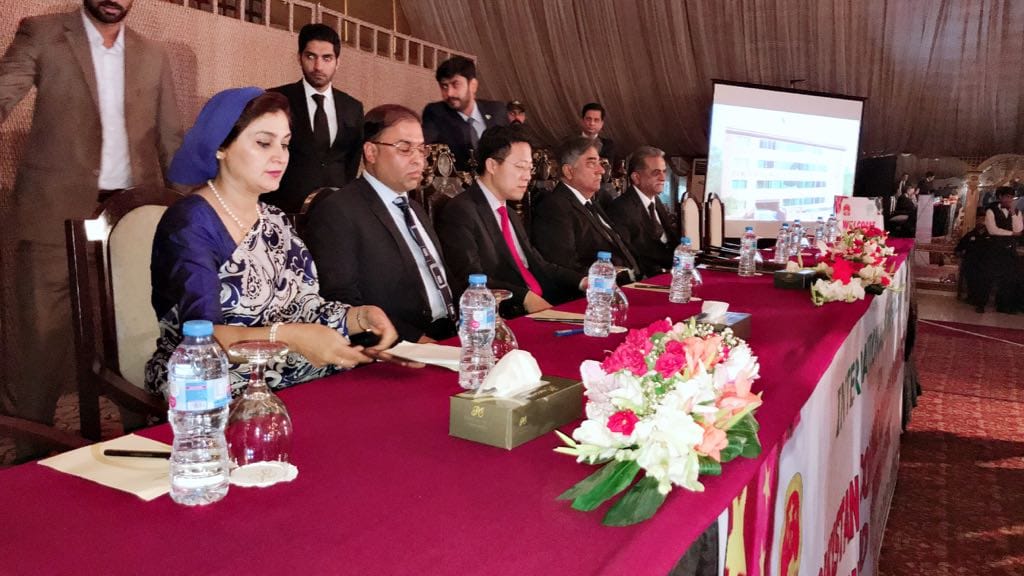
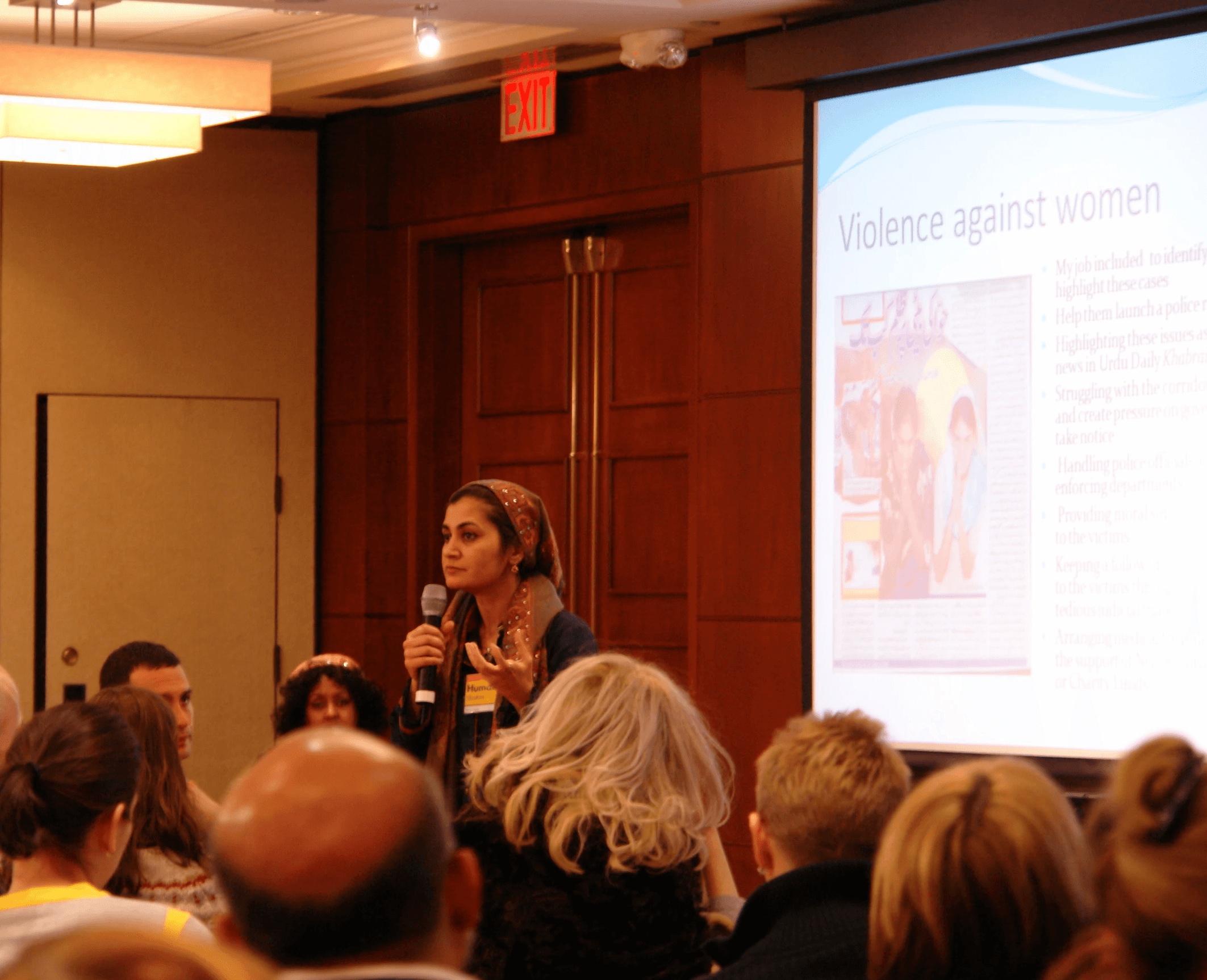
Her contributions towards justice have earned her widespread academic and international recognition. A former Fellow at the Radcliffe Institute for Advanced Study at Harvard University, she has lectured at prestigious institutions including MIT, the Fletcher School at Tufts, and the Kennedy School of Government
Public Speaking and Institutional Lectures
Her contributions towards justice have earned her widespread academic and international recognition. A former Fellow at the Radcliffe Institute for Advanced Study at Harvard University, she has lectured at prestigious institutions including MIT, the Fletcher School at Tufts, and the Kennedy School of Government
Honorary Doctorate:
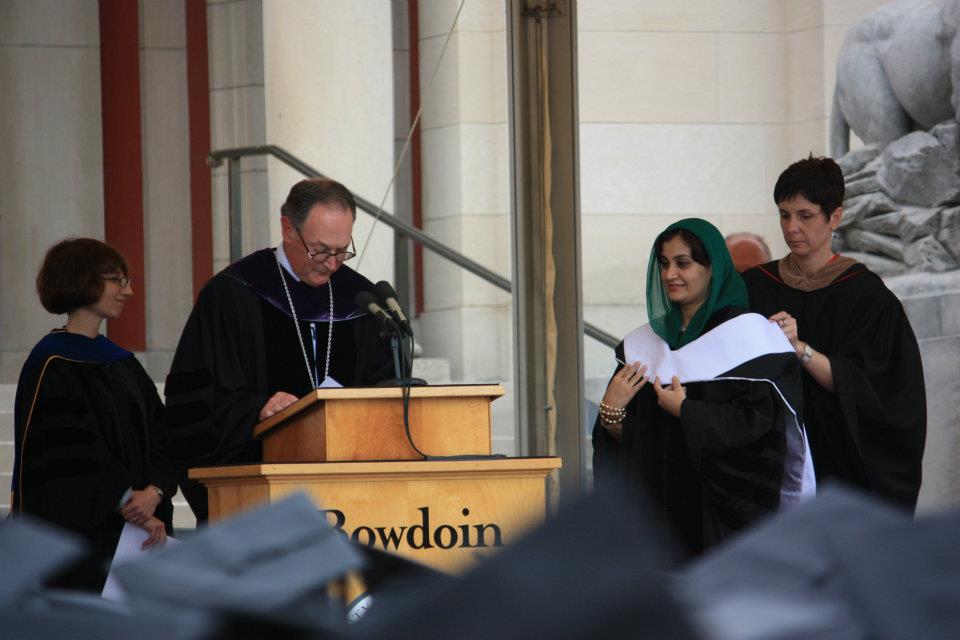
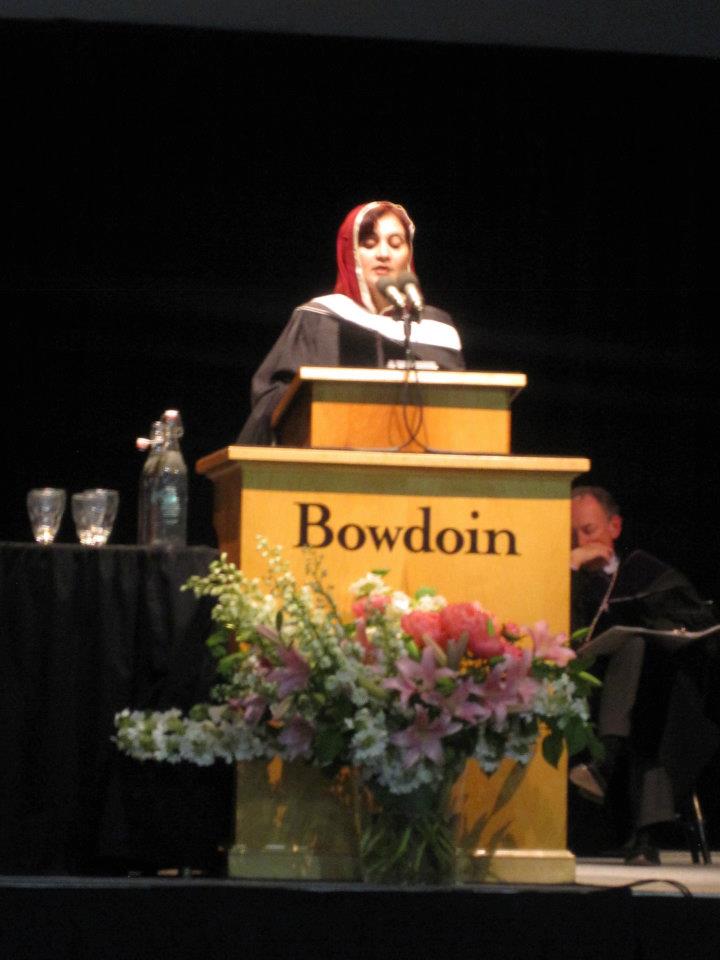
In 2012, Dr. Humaira Awais Shahid reached a significant milestone in her international career when she was awarded an honorary Doctor of Humane Letters (L.H.D.) by Bowdoin College in Brunswick, Maine. This prestigious honor was conferred during the college’s 207th Commencement Exercises on May 26, 2012, in recognition of her lifelong commitment to human rights, her pioneering legislative work in Pakistan, and her courageous investigative journalism.
Honorary Doctorate:
In 2012, Dr. Humaira Awais Shahid reached a significant milestone in her international career when she was awarded an honorary Doctor of Humane Letters (L.H.D.) by Bowdoin College in Brunswick, Maine. This prestigious honor was conferred during the college’s 207th Commencement Exercises on May 26, 2012, in recognition of her lifelong commitment to human rights, her pioneering legislative work in Pakistan, and her courageous investigative journalism.
The Occasion and Conferral
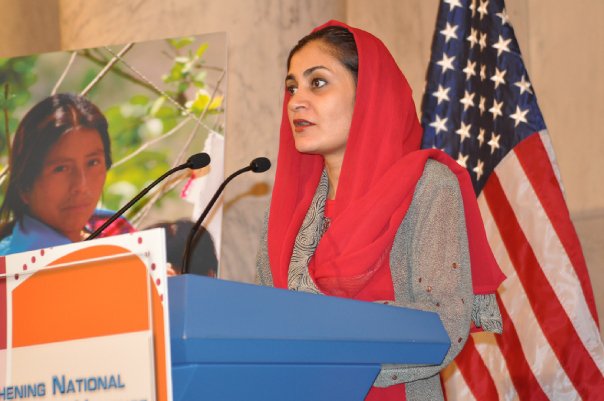
Dr. Shahid was one of five distinguished women honored that year, joining a cohort of global leaders in the arts, sciences, and humanities, including Agnes Gund (President Emerita of MoMA) and broadcast journalist Cynthia McFadden. The degree was conferred by Bowdoin President Barry Mills, who noted the college’s tradition of honoring individuals whose lives illustrate the "common good"—a core tenet of the institution's mission. Dr. Shahid’s honorary degree recognizes her as an exemplar of the "unmanageable" integrity required to challenge systemic oppression. The formal citation for Dr. Shahid’s degree was delivered by Rachel L. Sturman, Associate Professor of History and Asian Studies.[1] The citation highlighted Dr. Shahid’s unique ability to bridge the gap between academia, media, and law. It specifically lauded her work in: Legislative Reform: Forcing the passage of the Punjab Private Money Lending Act of 2007 and her relentless pursuit of laws to protect women from vani (the bartering of girls) and acid crimes. Investigative Journalism: Her transformation of the "Women’s Pages" at Daily Khabrain into a platform for exposing human rights abuses and her role in establishing the Khabrain Helpline. Global Advocacy: Her leadership in testifying for the International Violence Against Women Act (IVAWA) before the Tom Lantos Human Rights Commission in the U.S. House of Representatives.
The Occasion and Conferral
Dr. Shahid was one of five distinguished women honored that year, joining a cohort of global leaders in the arts, sciences, and humanities, including Agnes Gund (President Emerita of MoMA) and broadcast journalist Cynthia McFadden. The degree was conferred by Bowdoin President Barry Mills, who noted the college’s tradition of honoring individuals whose lives illustrate the "common good"—a core tenet of the institution's mission. Dr. Shahid’s honorary degree recognizes her as an exemplar of the "unmanageable" integrity required to challenge systemic oppression. The formal citation for Dr. Shahid’s degree was delivered by Rachel L. Sturman, Associate Professor of History and Asian Studies.[1] The citation highlighted Dr. Shahid’s unique ability to bridge the gap between academia, media, and law. It specifically lauded her work in: Legislative Reform: Forcing the passage of the Punjab Private Money Lending Act of 2007 and her relentless pursuit of laws to protect women from vani (the bartering of girls) and acid crimes. Investigative Journalism: Her transformation of the "Women’s Pages" at Daily Khabrain into a platform for exposing human rights abuses and her role in establishing the Khabrain Helpline. Global Advocacy: Her leadership in testifying for the International Violence Against Women Act (IVAWA) before the Tom Lantos Human Rights Commission in the U.S. House of Representatives.
The Keynote Address: "The Long Arms of God"
In addition to receiving the doctorate, Dr. Shahid served as the Commencement Keynote Speaker. Addressing the Class of 2012, she delivered a powerful speech centered on the themes of individual agency and moral courage. Drawing from her memoir Devotion and Defiance, a metaphor she uses for entering politics: that she was being thrown into a "raging sea" and would have to learn to swim. She encouraged the graduates to find their own "pure intention," arguing that while the world may often seem dysfunctional or indifferent, the power of a single individual to effect change is absolute when backed by integrity. Her speech was noted for its ability to connect the specific struggles of women in Pakistan to the universal responsibilities of educated citizens in a global democracy.
The Keynote Address: "The Long Arms of God"
In addition to receiving the doctorate, Dr. Shahid served as the Commencement Keynote Speaker. Addressing the Class of 2012, she delivered a powerful speech centered on the themes of individual agency and moral courage. Drawing from her memoir Devotion and Defiance, a metaphor she uses for entering politics: that she was being thrown into a "raging sea" and would have to learn to swim. She encouraged the graduates to find their own "pure intention," arguing that while the world may often seem dysfunctional or indifferent, the power of a single individual to effect change is absolute when backed by integrity. Her speech was noted for its ability to connect the specific struggles of women in Pakistan to the universal responsibilities of educated citizens in a global democracy.
Memoir
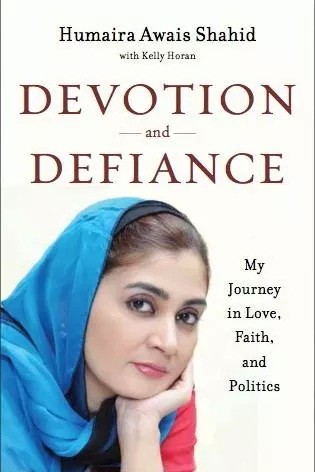
Published in March 2014 by W. W. Norton & Company, Devotion and Defiance is the critically acclaimed memoir of Dr. Humaira Awais Shahid, co-authored with Kelly Horan. The book serves as a definitive narrative of the intersection between investigative journalism, high-stakes legislative reform, and Sufi-inspired resilience. It has been widely recognized by international human rights organizations and literary critics as a masterclass in individual agency within a dysfunctional political system.
Memoir
Published in March 2014 by W. W. Norton & Company, Devotion and Defiance is the critically acclaimed memoir of Dr. Humaira Awais Shahid, co-authored with Kelly Horan. The book serves as a definitive narrative of the intersection between investigative journalism, high-stakes legislative reform, and Sufi-inspired resilience. It has been widely recognized by international human rights organizations and literary critics as a masterclass in individual agency within a dysfunctional political system.
Today
I continue this work today not as a retired politician, but as a woman committed to real transformation — internal and external, personal and collective. Through teaching, writing, and spiritual leadership, I offer others what I’ve fought to hold onto: clarity, courage, and the deep knowing that your life is meaningful — not in theory, but in action.
Today
I continue this work today not as a retired politician, but as a woman committed to real transformation — internal and external, personal and collective. Through teaching, writing, and spiritual leadership, I offer others what I’ve fought to hold onto: clarity, courage, and the deep knowing that your life is meaningful — not in theory, but in action.
















Let's work together
Reach out for one-to-one consultations, collaborations, speaking engagements, or personal inquiries.
If you feel aligned with this work, I welcome you to connect.
Subscribe to my newsletter
Subscribe for reflections, insights, and updates on my latest work.



Join
+
people who subscribed
Let's work together
Reach out for one-to-one consultations, collaborations, speaking engagements, or personal inquiries.
If you feel aligned with this work, I welcome you to connect.
Subscribe to my newsletter
Subscribe for reflections, insights, and updates on my latest work.
Join
+
people who subscribed
Let's work
together
Reach out for one-to-one consultations, collaborations, speaking engagements, or personal inquiries.
If you feel aligned with this work, I welcome you to connect.
Subscribe to my newsletter
Subscribe for reflections, insights, and updates on my latest work.
Join
+
people who subscribed